
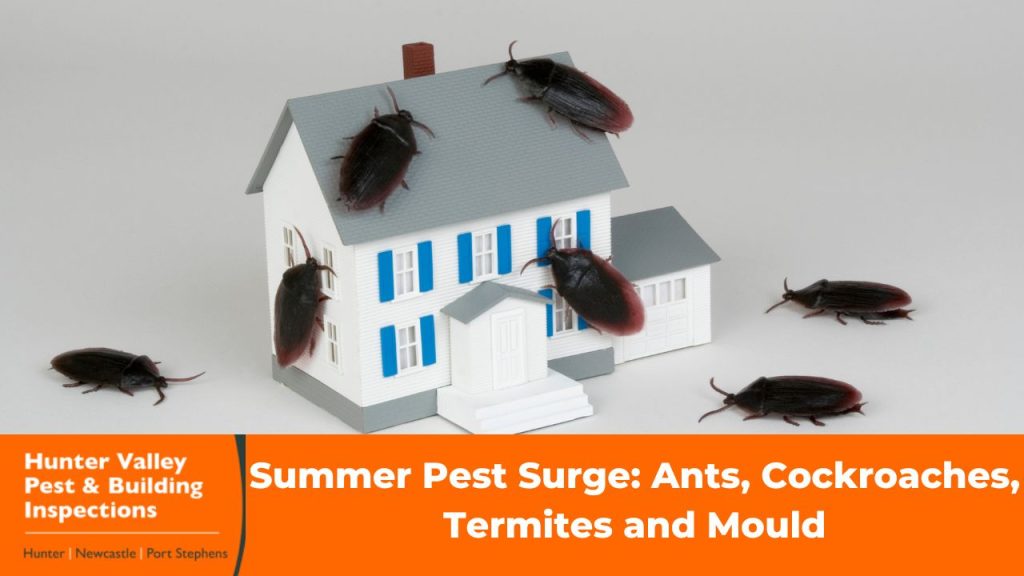
You know the feeling. The humidity hits 90%, the afternoon storms roll through the valley, and suddenly your house feels like a magnet for every creeping crawly in the neighbourhood.
Summer in the Hunter isn’t just hot. It’s wet. That combination of high temperatures and moisture is the trigger that wakes everything up. We see a massive spike in activity from December through February. Here is what you need to look out for right now, and why it’s happening.
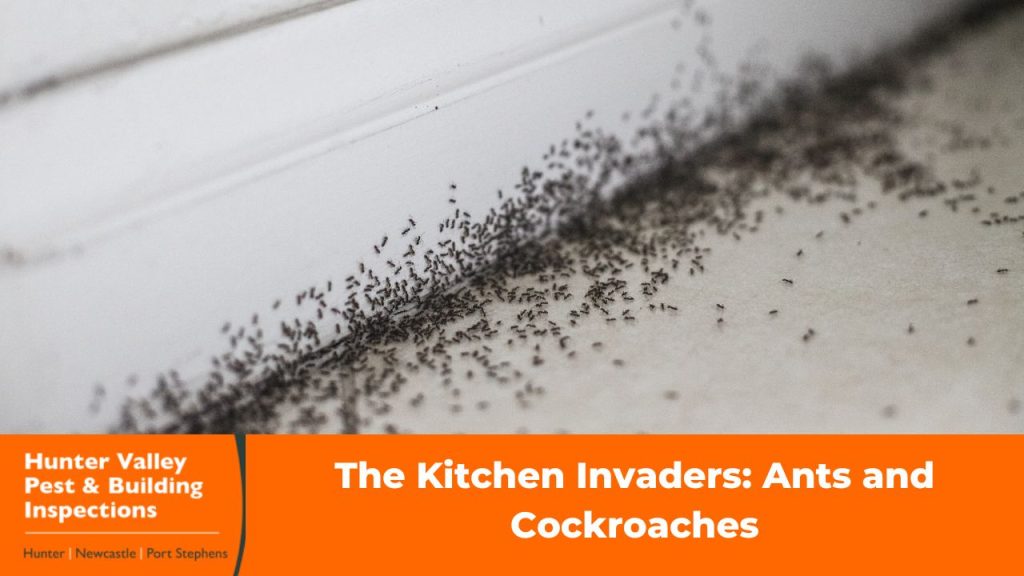
The Kitchen Invaders: Ants and Cockroaches
When the heat ramps up, insects get thirsty.
If you’re seeing trails of little black ants around your sink or dishwasher, they are looking for water. They aren’t necessarily after food crumbs, though they love those too. They are mostly trying to survive the heat.
Then there are the cockroaches. In summer, their metabolism speeds up. They breed faster, move faster, and eat more. You’ll likely see the large American Cockroaches flying in from outside when the weather turns muggy, or the smaller German Cockroaches rapidly multiplying behind your fridge motor where it’s warm.
The Silent Destroyers: Termites
While ants are annoying, termites are expensive.
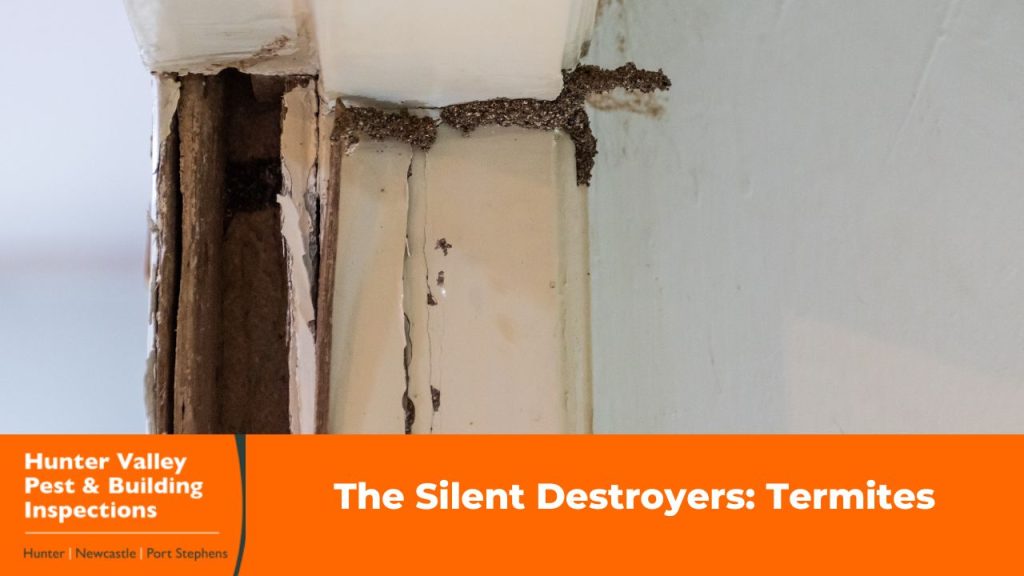
Summer is peak season for termite activity. The soil is warm and damp, which allows them to travel further from their nest to your home without drying out.
You might see “flyers” (alates) swarming around lights at night. This is a sure sign a nest is nearby. But often, you see nothing at all. They work underground and inside your walls.
Because they are so active right now, we strongly recommend getting your annual checks done in the warmer months. Our timber pest inspections are designed to catch these issues before they turn into structural damage. We check the roof void, the sub-floor, and the perimeter. These are the places you probably don’t want to crawl into on a 35-degree day.
The Summer Surprise: Mould
Most people think mould is a winter problem caused by condensation and heaters.
But in the Hunter Valley, summer mould is a serious issue. Why? High humidity.
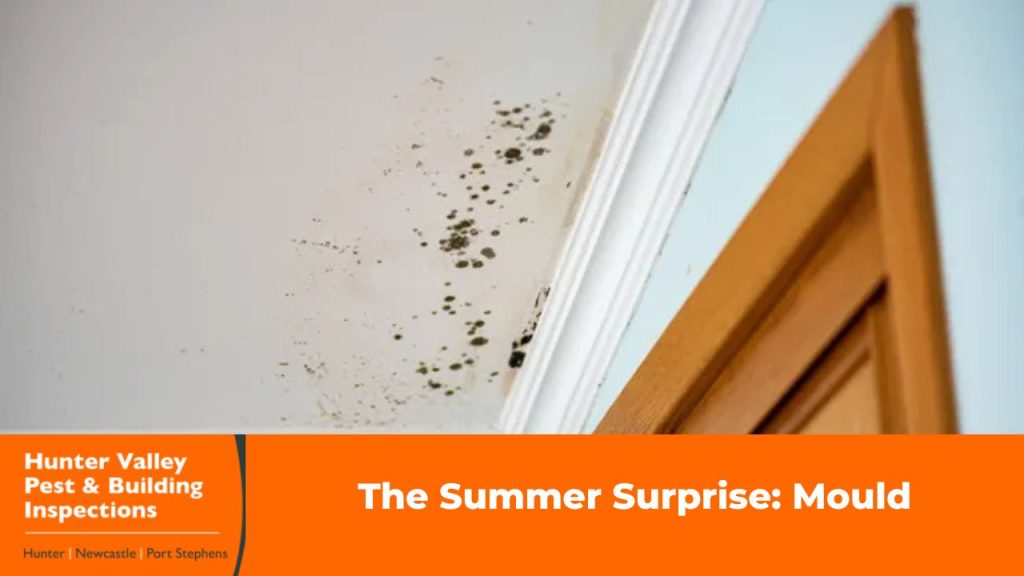
Mould only needs two things to grow: a food source (like gyprock paper, dust, or timber) and moisture. When the relative humidity in your home sits above 60% for a few days, which happens constantly during a La Niña summer or just a standard humid January, mould spores activate. It often starts in wardrobes where air doesn’t circulate or behind furniture. If your home smells musty, or you’re sneezing more than usual, it’s worth investigating.
We can conduct a specific mould inspection to identify the source of the moisture and the extent of the growth. It’s not always a leaky pipe. Sometimes it’s just poor ventilation fighting against the summer humidity.
Get on Top of It
Don’t let the bugs or the mould ruin your summer break. A quick check now can save you a lot of hassle and money down the track.
Call our team on 0488 885 203 to book your Inspection or alternatively, Order an Inspection online.