
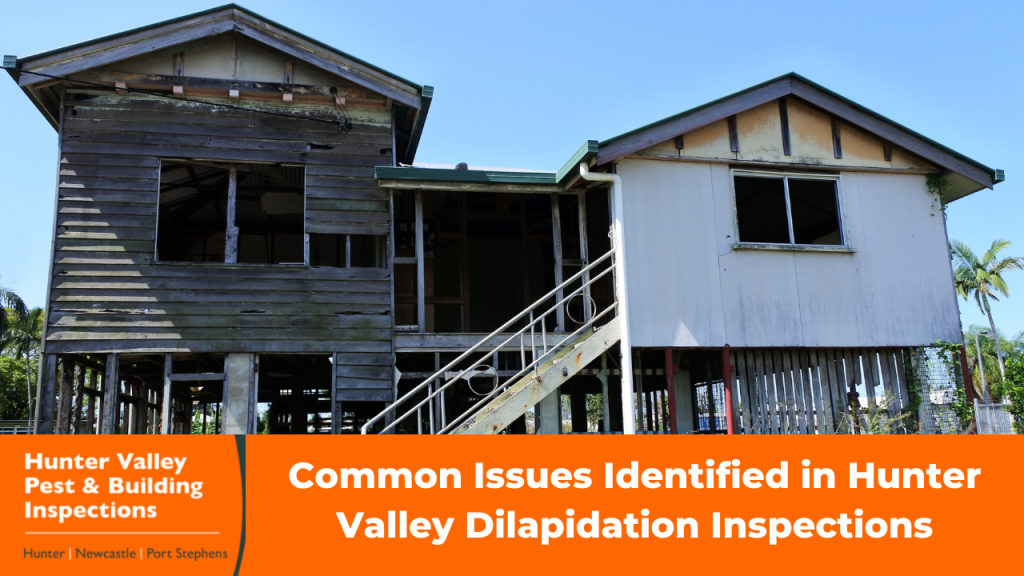
Construction across the Hunter Valley has picked up in recent years. From new housing developments in Maitland and Greta to road upgrades around Singleton and Cessnock, the region is seeing steady growth. While this is great for progress, it also increases the chances of nearby property owners noticing changes or damage during works.
A dilapidation inspection helps avoid confusion by recording the condition of nearby properties before construction starts. It gives everyone a clear, dated record of cracks, wear and any existing defects. These are some of the most common issues we come across during inspections across the Hunter.
Why Dilapidation Issues Can Cause Disputes
When construction starts next door, nearby buildings and structures can shift, settle or vibrate, even if the work is managed carefully. If a fence leans, a crack appears, or a driveway drops slightly, it’s easy for property owners to assume the damage is new. But sometimes, those issues were already there.
A dilapidation inspection records the existing condition of surrounding properties before any work begins. This makes it clear what was pre-existing and what may have been caused by the construction.
Being proactive with this process helps avoid disputes, legal claims, delays and tension between neighbours or stakeholders.
Cracks in Brickwork and Walls
Cracks in external walls are one of the most frequent things we document. They can appear as hairline splits in the mortar or larger stepped cracks through brickwork or render. Sometimes they’ve been patched up, other times they’re old but untreated. While they might not pose any structural risk, they need to be recorded before construction begins, especially in older areas like Kurri Kurri or Lochinvar.
Movement in Retaining Walls
Retaining walls are common throughout the Hunter, especially on sloping blocks in places like East Maitland, Rutherford and Pokolbin. Over time, these walls can lean, crack or bow from changes in ground pressure or poor drainage. If construction work is planned nearby, this movement can worsen. Documenting the wall’s condition beforehand avoids blame being placed on the new build.
Uneven or Cracked Driveways
Driveways can show a lot about what’s going on underneath the ground. We often see concrete driveways that have lifted, cracked or settled in one corner. In rural or semi-rural properties, long gravel or bitumen driveways may show signs of rutting or erosion. These issues are worth recording, especially when large vehicles or site works are about to take place next door.
Damaged Footpaths and Kerbs
In suburban developments or town centres like Cessnock or Branxton, we inspect many properties that sit close to public assets. This includes footpaths, kerbs, council drains and nature strips. Any cracks, chips, or lifting in these areas should be noted before machinery or construction traffic starts using them. It helps builders protect themselves from liability and shows councils that due care has been taken.
Fence Lean and Timber Gaps
Fencing is one of the first things neighbours notice if it gets damaged. Timber fences are especially prone to movement, warping or leaning, particularly where posts are not concreted or the ground is soft. During our inspections, we regularly flag missing palings, rusted brackets, or signs of termite damage, so it’s clear what condition the fence was in before any disturbance.
Existing Ground Movement on Reactive Soils
Some areas of the Hunter sit on clay-heavy soil that reacts to changes in moisture. This is known to cause natural shifting over time, particularly in properties built before proper footing design became standard. Homes in areas like Gillieston Heights and Aberglasslyn may already have signs of this movement, and it’s important to identify and record these before construction starts nearby.
Minor Defects on Outbuildings and Sheds
Rural properties often include sheds, tanks, garages or storage buildings that can shift slightly over time. These structures might not be high value, but they’re still part of the property and are often close to shared boundaries or construction zones. Recording any tilting, cracked slabs or rusting can help avoid finger pointing once work begins.
Tips for Staying Ahead of Issues
- Schedule a dilapidation inspection before site work begins.
- Share a copy of the report with neighbours or the client to promote transparency.
- Revisit the site after construction for a follow-up check, especially if concerns are raised.
- Use clear, dated photos and keep notes of any changes you observe.
- Keep communication open throughout the build.
A Simple Step That Can Save a Lot of Trouble
Many disputes over construction damage come down to one thing, not having clear records. By taking the time to inspect and document issues early, you can prevent conflict, reduce liability, and keep projects moving without delays.
A proactive approach makes life easier for everyone involved. It also shows professionalism and a commitment to doing things the right way.
Book a dilapidation inspection with our local team today. We cover the Hunter Valley and surrounding areas and provide fast, easy-to-read reports you can rely on.